

FrogLeaps
  • Home
  • About
  • Espagnol
  • Francais
  • facebook

Strategic communication

  • Ccourse
  • Bblog
  • Key subject:

    3. c. Designing your change strategy

    1. About this Course1. a. Why communication often fails2. b. Understanding your goal and the role of communication3. c. Designing your change strategy4. d. Executing your change strategy5. e. Evaluating your change strategy6. f. Develop your own strategic communication project
Topics:
  • Designing your change strategy
  • Designing your objectives
  • Designing communication messages
  • Designing communication means
  • Storytelling: example of a powerful means

Designing communication messages

Reflecting what your target audiences know, feel and do

The message reflects what you want target audiences to know, feel and do. It is a translation of your communication objectives.

What makes an message effective?

  • First you need to understand your audiences & stakeholders. Without understanding, your message will miss its target. The message must connect to the knowledge, attitude and behavior of the audiences. It must be significant for them.
  • Your messages need to be easy to understand. Use the wording of the target audience and keep it simple, direct and to the point.
  • Your messages need to be credible. They must connect to the identity of the sender. The sender should have a good image.
  • The message should connect to the communication strategy: do you want to inform, involve, persuade or get people into action? Do you want to trigger emotions or do you choose a cool informative approach?
  • The tone of voice should also reflect the strategy: humorous, alarming, fact giving & expert perspective, popular & informal.
OUR CASE OF SIMONA Replacing her ineffective message with an effective message leads to success

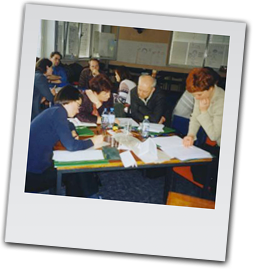
Round table to design solutions

Round table to design solutions

Simona started with the message: ‘The biodiversity of park Boč is damaged by visitors behavior. Everybody should help us to stop all damaging behavior by all visitors all year’. This message failed.

The new core message to get participation in the multi-stakeholder dialogue, was: ‘We all love our Boč mountain meadows, we are all dissatisfied about the current practice of the 1st of May festivities, let’s explore how we can make the upcoming 1st of May festivities a real feast for people and nature – join our round table to discuss how to make that happen’. The message was tested and adapted through informal pub and kitchen meetings. It worked!

For the target audiences the same message was used with concrete information of how people can contribute to this feast for people and nature: ‘We all love our Boč mountain meadows, that’s why the 1st of May all mountain roads are closed; so please park your car and use our free bus service to the park’s inn where you can drink, eat, camp safely, play games, enjoy nature and have fun!’

The medium is the message

A well known slogan is: ‘the medium is the message’. The combination of media and messages can strengthen the effects of communication. Or weaken it!

When a government sends a letter with the message that it values the opinions of local communities and there is no way to share your thoughts, the message will lack credibility. If that same message is told by a government official visiting a village meeting where the locals are invited to tell what’s on their mind and share their ideas, it will be much more convincing.

CHECKLIST

An effective message is:

  • Based on understanding of your audiences & stakeholders
  • Connects to their knowledge, attitude and behavior
  • Easy to understand
  • Simple, direct and to the point.
  • Credible
  • Connected to your strategy, has the right tone of voice
  • Informing, involving, persuading or activating

Designing communication messages

Which one of the following statements is true:

< previous topic:
Designing your objectives
> next topic:
Designing communication means
  • disclaimer
  • copyrights
  • FrogLeaps 2013